01
Evidence
Data provenance. Where did the data come from? Which assumptions support the conclusion?

DECISION ASSURANCE / INDEPENDENT R&D
Architecture review for critical software.For technology teams and integrators. Identify trust boundaries and evidence gaps before an integration decision.
Review deliverables
For systems where the right to act must have a defensible basis.
Scroll to explore01 / THE PRINCIPLE
A conclusion, permission and an outcome serve different roles. My focus is to make their relationship explicit, controlled and open to verification.
Data provenance. Where did the data come from? Which assumptions support the conclusion?
Scope of authority. Who may authorize an action, within what scope and under which conditions?
Confirmed outcome. What has actually been confirmed after execution was attempted?
DECISION ASSURANCE / EXPLAINED
aviassurance brings together six authored research and engineering programmes. Their shared task is to connect evidence, authority, system state and outcome confirmation. Each programme addresses a distinct part of this task.
02 / RESEARCH DOMAINS
Defence and civilian critical systems share an engineering challenge: retaining control where errors carry consequences.
ANALYSIS ≠ AUTHORITY
PROVENANCE → ASSESSMENT
Data provenance, defensible analytical conclusions and separation of assessment from the authority to act.
Explore the architecture03 / THE ARCHITECTURAL APPROACH
The architecture separates the basis for a conclusion, authority to execute and confirmation of an outcome. Each responsibility has its own inputs, criteria and limits.
Evidence supports a conclusion. Authority bounds an action. Confirmation records what actually happened.
Information has a source, context and defined confidence boundaries. Assessment concerns a specific claim and the conditions under which it is checked.
Output: a reasoned assessmentA claim, its sources, acquisition time and observation conditions.
An assessment linked to its basis, checking conditions and explicit uncertainties.
A defensible assessment does not, by itself, grant authority.
A reasoned request, an identified authority and the permitted scope of the operation.
A separate admission or refusal decision, with its basis and scope.
Admission concerns a defined operation. It does not confirm that the operation happened.
The admission decision, a record of the attempt and available observations of the outcome.
An operation trail separating permission, attempt, confirmed outcome and what remains unknown.
A software receipt does not prove a physical effect without the relevant external observation.
The diagram explains relationships between three responsibilities. Add your own notes to an inquiry. Assessing a system requires its evidence and a separate review.
Identify the claim, source, material version and observation conditions. Record contradictions and what still needs checking.
Check provenance before assessing admission.A defensible assessment does not, by itself, grant authority.
Notes stay on this page. Add them to an inquiry to edit them and optionally save a draft. Do not include secrets.
Responsibilities with notes: 0 / 3
The link restores the selected responsibility and scale in 2D. It does not include your notes.
ARCHITECTURAL BOUNDARIES
An analytical component cannot grant execution authority through its conclusion. Admission needs its own basis and a defined scope.
If a required condition is not established, permission is withheld. The reason remains available for review.
A sent command, a software receipt and a physical effect are distinct observations. A record should identify which one is confirmed.
This is a public conceptual model of responsibilities. Implementation, cryptographic mechanisms, timing constraints, recovery after failures and external equipment behavior require separate assessment for a particular system and environment.
The architectural boundaries define concrete research questions: local execution, evidence, controlled admission and trust across nodes. Next are the programmes that explore them.
Explore the programmesCould this apply to your system?Let’s discuss
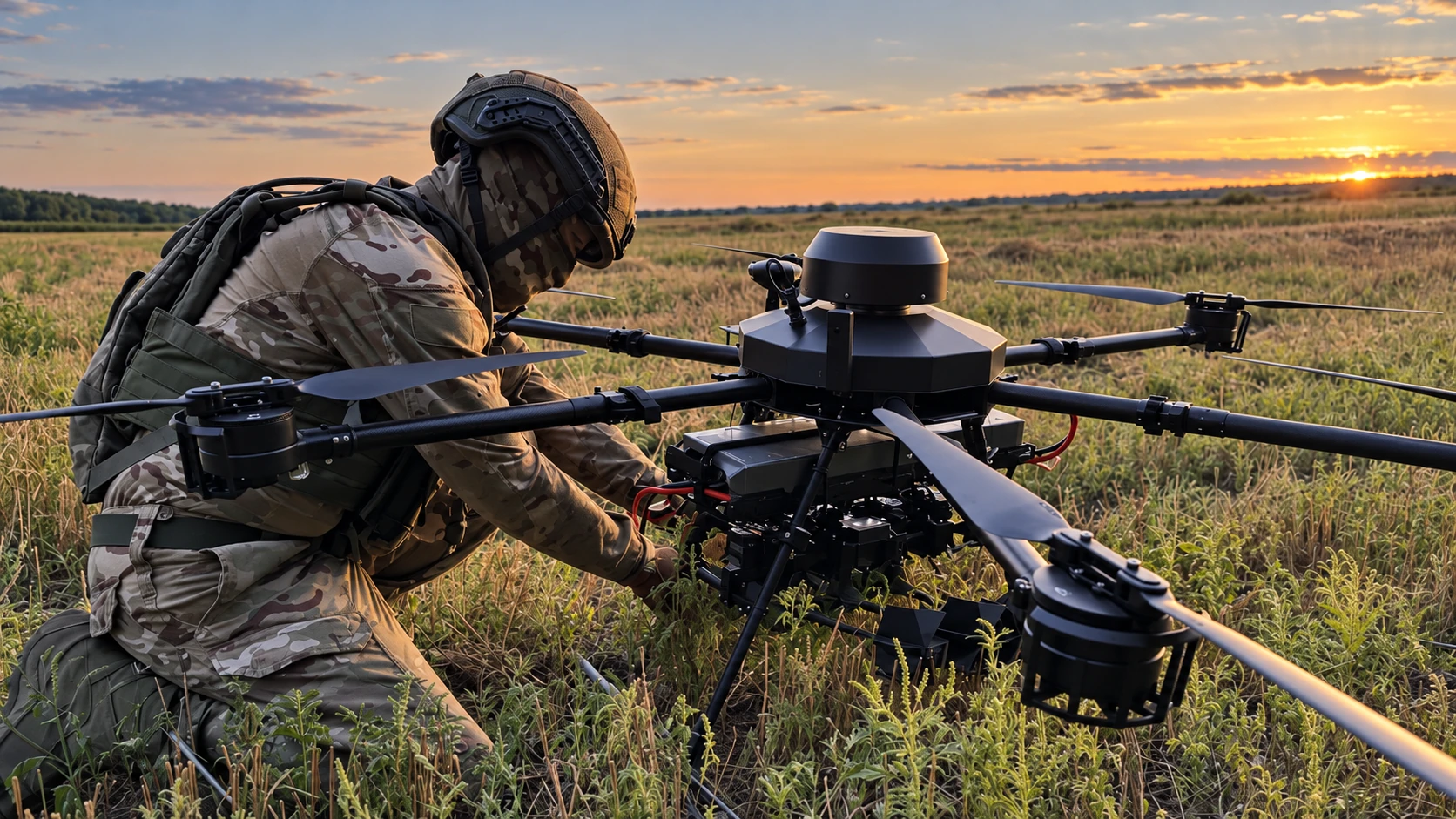
04 / RESEARCH PROGRAMMES
Six authored programmes with distinct research questions. Their shared focus is trust in decisions, state consistency and controlled execution.
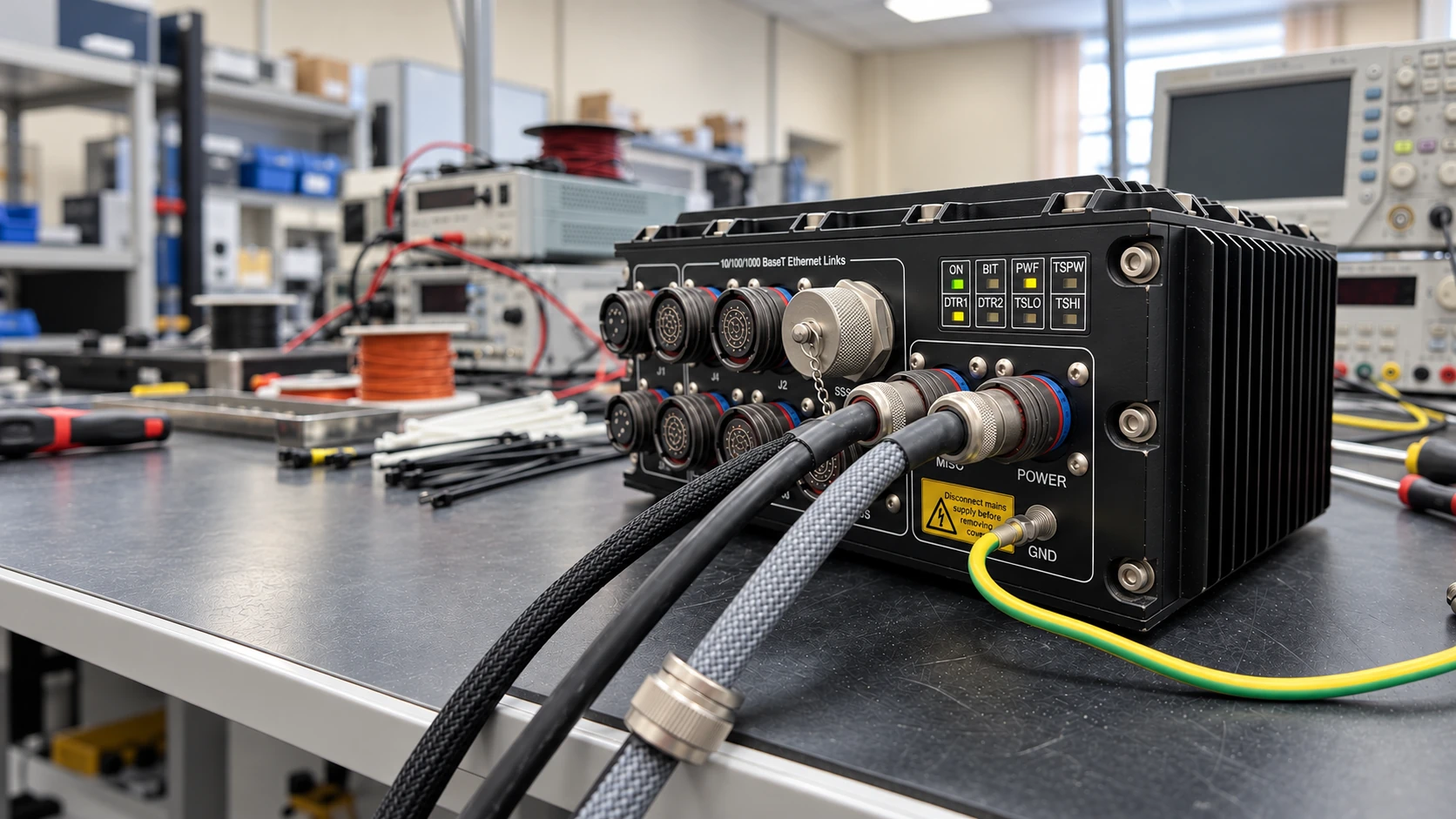
Only a bounded summary of the local BOARD-EX-001 check is public; programme materials are reviewed within an agreed scope. This does not qualify a release. No separate packages for the other five programmes are published here. DA-EX-001 concerns only the inquiry form on this site.
No programmes match these conditions.
A local execution architecture for critical operations within explicitly defined authority.
RESEARCH FOCUS
An independent evidence assessment layer for software artifacts before an admission decision.
RESEARCH FOCUS
A self-contained deterministic system for handling evidence and its acceptance rules.
RESEARCH FOCUS
Staged development of a local system for trusted admission and state consistency.
RESEARCH FOCUS
Research into trust boundaries and accountable interaction between local and distributed software nodes.
RESEARCH FOCUS
An authored research programme on authority, evidence and the boundaries of autonomous action.
RESEARCH FOCUS
05 / EVIDENCE DISCIPLINE
The open DA-EX-001 case demonstrates the method on the inquiry form of this site. For research programmes, the public site presents purpose, bounded summaries and conclusion limits; technical materials are reviewed within an agreed scope.
Explore evidence discipline
DA-EX-001 / PUBLIC CASE
Replaying a valid inquiry with the same requestId and normalized content returns the original receipt while its stored record remains unchanged. The 12 October 2026 package contains the historical form handler, specification, verifier and recorded report; the current API has additional safeguards.
This demonstrates the method using an inquiry form. It does not establish the properties or readiness of the six research programmes.
F-1 / F-2: coverage correction and additional checks ↗
Re-executed by the same executor; independent external verification has not been performed. Reproduction record and limitations ↗
06 / ABOUT
Independent researcher & systems developer
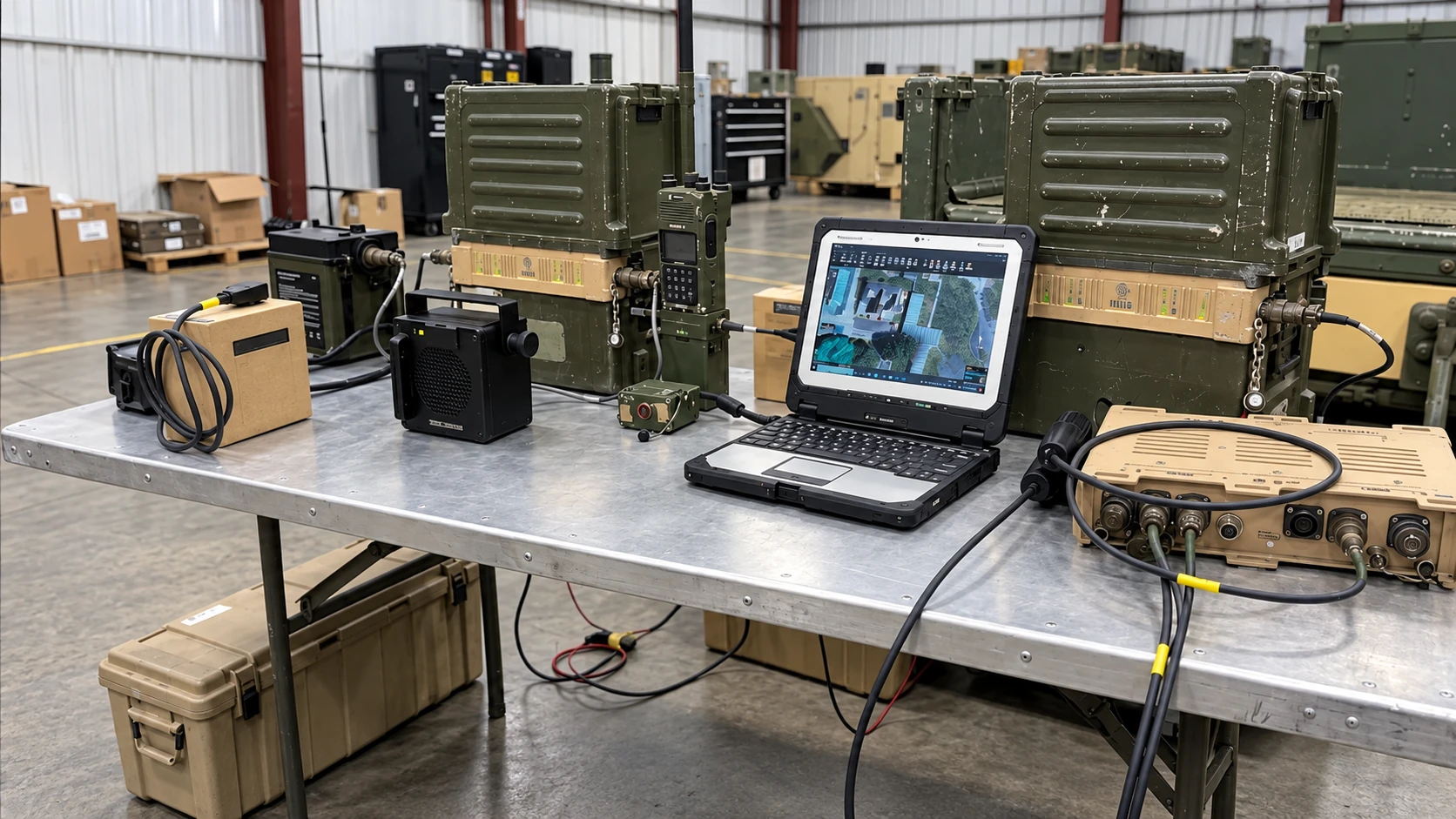
Working at the intersection of systems architecture, formal methods and cryptographic accountability. I investigate how critical systems can justify decisions, constrain execution and maintain a verifiable trail.
My focus is on local architectures, separation of analysis from authority and materials for independent technical assessment.
Contact the researcher directly
1westwestwest@gmail.comPROFESSIONAL PROFILE
Research directions and opportunities for collaboration, at a glance.
07 / TECHNICAL COLLABORATION
For technology teams, research institutions, integrators and technical customers.
Contact the researcher directly
1westwestwest@gmail.com